Polaris RZR & Ranger Overheating Guide: Runs Hot, Temp Light & the Parts That Fix It
A Polaris that runs hot, throws a temp light, boils over, or pushes coolant into the overflow bottle is almost always one part in a short cooling chain. Here's how the system works, a quick diagnostic, and the exact part behind each symptom — thermostat, radiator cap, fan and coolant.


Nothing ends a ride faster than a Polaris that runs hot. A RZR, Ranger, or Sportsman spends its life crawling through mud, sand, and rock at speeds where there’s almost no natural airflow, packing its radiator with trail debris and leaning hard on a small, sealed liquid-cooling system to shed the heat. The good news is that the cooling system is short and simple, and nearly every complaint owners search — “Polaris RZR overheating,” “Ranger temp light on,” “RZR boiling over,” “Polaris runs hot at idle,” “losing coolant no leak” — traces back to one specific part in that chain.
This guide walks the cooling system symptom by symptom: what overheating feels like from the driver’s seat, what’s actually causing it, and the exact part that fixes it. Two of the most common culprits — the thermostat and the radiator cap — are cheap, in-stock parts you can link straight to Amazon Powersports below; for OEM cooling parts by number (fans, water pumps, temp sensors, radiators), the eBay Motors buttons above search live listings.
Safety first: never open a hot, pressurized cooling system. Let the machine cool completely before you touch the radiator or cap — pressurized coolant near boiling will spray and scald. And if the temp light is on, stop and let it cool before you chase the cause.
How the Polaris cooling system works
A liquid-cooled Polaris sheds engine heat through a short loop:
- The water pump pushes coolant through passages in the engine, where it soaks up heat.
- Hot coolant flows to the radiator, a finned core up front where airflow carries the heat away.
- A cooling fan pulls air through that core when the machine is moving too slowly for natural airflow to do the job.
- A thermostat — a temperature-controlled valve — holds coolant in the engine until it’s up to temperature, then opens to let it circulate, keeping the engine in its happy range.
- The radiator cap seals the system and holds it at a set pressure (13 PSI on most Polaris models), which raises coolant’s boiling point so it can run hot without boiling over.
- A coolant temperature sensor reads the temperature to run the fan, the gauge, and the dash temp light.
Only a couple of things in that loop wear out on a schedule — the coolant (which breaks down and loses corrosion protection over years) and the thermostat and cap (rubber and springs that age). Everything else — pump, fan, sensor, radiator — fails occasionally, and each has a distinct tell. Find the tell, replace the one part, and you’re back on the trail.
The five-minute overheating check
Before you buy anything, let the machine cool and figure out which part is talking:
- Check the coolant level at the overflow bottle and (cold, cap off) at the radiator neck. Low with no puddle points at the cap boiling coolant off or an internal loss; empty bottle plus a wet spot points at a hose or the pump.
- Look at the radiator core. Packed with mud, grass, and film? That alone will cook a machine at low speed — clean it before anything else.
- Feel the upper radiator hose as it warms up. Engine hot but the hose stays cold = a thermostat stuck closed trapping coolant in the engine.
- Confirm the fan actually spins when the engine gets hot (or the temp light comes on). No fan = a fan motor, relay, or temp sensor problem, and the machine will overheat at low speed.
- Warms up slowly / never gets fully warm? That’s a thermostat stuck open, not an overheat — but still a thermostat job.
Now read the matching section.
Overheats fast, cold upper hose → thermostat
The thermostat is the cheapest part in the system and one of the most common overheating causes. Stuck closed, it traps coolant in the engine — temperature spikes within a few minutes of starting, the temp light comes on, yet the upper radiator hose stays cold because no coolant is reaching the radiator. Stuck open, the opposite: coolant circulates constantly, the engine can’t reach operating temperature, and it runs cool and warms up slowly (rough in cold weather, and hard on fuel economy and emissions).
Either failure is the same inexpensive fix. A correct-temperature 180°F Polaris thermostat (OEM 7052496 / 5413948) drops into the housing on the Ranger, RZR, and Sportsman range; replace the gasket or O-ring while you’re in there, refill with the 50/50 coolant your manual specifies, and burp the air out so the new thermostat actually sees flowing coolant. Confirm the temperature rating and housing style match your exact model and year before buying — the fitment reference helps you pin down which platform you’re on. A stuck thermostat is worth ruling out first, before you ever suspect a water pump or head gasket.
Boils over or loses coolant with no leak → radiator cap
If your Polaris pushes coolant into the overflow bottle, boils over, or steadily goes low with no puddle underneath, suspect the radiator cap before the radiator itself. The cap holds the sealed system at pressure — 13 PSI on most Polaris side-by-sides — and that pressure is what lets coolant run hot without boiling. When the cap’s rubber seal hardens or its spring weakens, the system can’t hold pressure, coolant boils and vents early, and you chase a “mystery” coolant loss that has no external leak.
A fresh 13 PSI radiator cap (OEM 1240300 / 2511270) is a few-dollar part that fits the Ranger, RZR, and General range, and it’s the very first thing to replace when a machine boils over or loses coolant with no visible leak. Just verify the pressure rating and neck style match your model — the wrong cap pressure will either vent early or over-pressurize the system. If a new cap doesn’t cure the coolant loss, then move on to hoses, the water pump, and (rarely) an internal head-gasket leak.
Runs hot at low speed, cool at speed → airflow and the fan
Overheating that shows up at a crawl but disappears once you pick up the pace is an airflow problem, not an engine problem. At speed, air is rammed through the radiator; down at mud-bog and rock-crawl speeds, the machine depends entirely on the cooling fan to pull air through the core. Two things break that:
- A packed radiator core. Mud, grass, and trail film blind the fins so no air gets through. This is the single most common low-speed overheat cause — pressure-wash the core from the back side out and clear the front grille before you condemn any part.
- A fan that won’t run. If the core is clean but the fan never spins when the engine is hot or the temp light is on, the fault is in the fan motor, the fan relay, or the coolant temperature sensor that triggers it. These are OEM electrical parts best sourced by part number — use the eBay Motors buttons above to find a used or OEM fan, relay, or temp sensor for your model. (For the wiring side of accessory and switch faults, the electrical & accessory wiring guide covers relays and switches in depth.)
Keep the grille and core clean as routine maintenance and this whole failure mode mostly disappears.
Overheats right after a coolant change → trapped air {#air-pocket}
If your Polaris ran fine, then started overheating immediately after you changed coolant, replaced a thermostat, or opened the system, the culprit is almost always an air pocket. Trapped air at the thermostat or pump keeps coolant from circulating even though the reservoir looks full, so the engine cooks while the gauge and bottle lie to you.
To purge it: park nose-up on a slight incline, fill slowly through the highest fill point with the cap off, and idle the engine until it reaches operating temperature and the thermostat opens — you’ll see the level drop and bubbles rise as the pocket clears. Top off as it settles, gently squeeze the upper hose to help push air out, and if your model has a bleed screw near the thermostat housing, crack it open while filling to speed things up. Then cap it and recheck the overflow level once cool. Always use the 50/50 coolant type your manual specifies, and never open a hot, pressurized system.
Is it safe to keep riding? {#is-it-safe-to-keep-riding}
No. A lit temperature light or a gauge in the red means stop as soon as it’s safe. Running an overheated Polaris engine risks warped heads, a blown head gasket, and seized internals — turning a cheap thermostat or cap fix into a major teardown. Ease off the throttle, pull onto level ground, and let it idle briefly (idling keeps coolant and the fan moving) before shutting down if the temperature isn’t falling. Let it cool completely before opening anything, then run the five-minute check above.
Keep it cool: coolant service and spares
Cooling is a maintenance system, not just a repair one. Coolant loses its corrosion protection over the years — flush and refill it with the correct 50/50 mix on the interval in your owner’s manual, and it pays you back with a clean radiator, a healthy water pump, and no surprise boil-overs. The flush is a natural companion to your regular service; see where it fits in the maintenance schedule, and pick up a full synthetic oil change kit while you’re doing fluids so you knock out both at once. A restricted air filter also makes an engine work harder and run hotter, so it’s worth checking at the same time.
For the parts that fail on the trail, keep a shelf stock: a spare thermostat and radiator cap are tiny, cheap, and will get you home when a temp light strands you miles out. Overheating is also a frequent chapter in the broader common Polaris problems owners run into — a running-hot machine often shows up alongside the belt, ignition, and electrical faults covered there. Browse the full maintenance and accessories selections for the cooling and service parts that keep a Polaris running in its temperature sweet spot.
Cooling problems look scary — a temp light miles from the trailhead is a bad feeling — but the system is short and the fixes are cheap. Clean the core, hold pressure with a good cap, let a healthy thermostat do its job, keep air out of the loop, and your Polaris stays right where it should be.
Shopping used or OEM? Try eBay Motors
Live listings for the parts covered in this guide — prices set by the seller.
Recommended Parts for This Guide
JZGRDN Thermostat 180F 7052496 5413948 for Polaris Ranger RZR 570 800 900
97 owner reviews
JZGRDN Thermostat 180F 7052496 5413948 for Polaris Ranger RZR 570 800 900. A quality upgrade or replacement part for your Polaris RZR, Ranger, or Sportsman.
- Fits Polaris RZR, Ranger & Sportsman
- Quality build
Radiator Cap 13 PSI for Polaris Ranger RZR General 1240300 2511270 | Ranger 500 570 800 900 1000, RZR 570 800 900 1000 Turbo, General; verify 13 PSI neck style, OE 1240093 2511189 12410694
202 owner reviews
Radiator Cap 13 PSI for Polaris Ranger RZR General 1240300 2511270 | Ranger 500 570 800 900 1000, RZR 570 800 900 1000 Turbo, General; verify 13 PSI neck style, OE 1240093 2511189 12410694. A quality upgrade or replacement part for your Polaris RZR, Ranger, or Sportsman.
- Fits Polaris RZR, Ranger & Sportsman
- Quality build
Polaris Full Synthetic Oil Change Kit for RANGER, GENERAL, RZR - 2879323
4,440 owner reviews
Polaris Full Synthetic Oil Change Kit for RANGER, GENERAL, RZR - 2879323. Keep your Polaris running ride after ride with this routine service part.
- Keeps your Polaris running
- OE-quality replacement
Ranger 900 xp 7081706 Air Filter for Polaris Ranger 570 XP, RZR 570, Ranger 570 900 1000 Crew, Ranger 900 1000, Ranger Crew XP 1000 Diesel, Ranger 900 XP 2012-2018
129 owner reviews
Ranger 900 xp 7081706 Air Filter for Polaris Ranger 570 XP, RZR 570, Ranger 570 900 1000 Crew, Ranger 900 1000, Ranger Crew XP 1000 Diesel, Ranger 900 XP 2012-2018. Keep your Polaris running ride after ride with this routine service part.
- Keeps your Polaris running
- OE-quality replacement
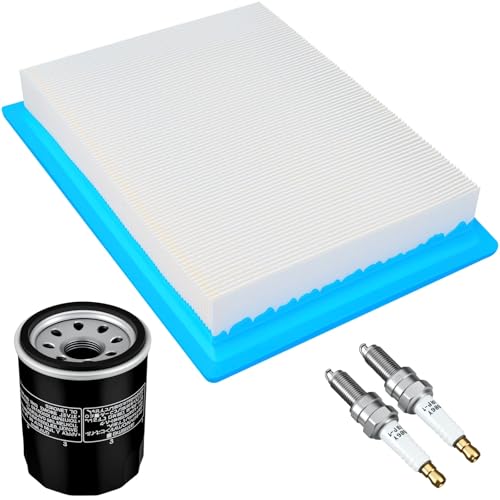
Maintenance Kit Fits for Polaris Rzr 570 Ranger XP 900,Includes 7081706 Air Filter,2540086 Oil Filter,3022639 Spark Plug
12 owner reviews
Maintenance Kit Fits for Polaris Rzr 570 Ranger XP 900,Includes 7081706 Air Filter,2540086 Oil Filter,3022639 Spark Plug. Keep your Polaris running ride after ride with this routine service part.
- Keeps your Polaris running
- OE-quality replacement
Frequently Asked Questions
Why does my Polaris RZR or Ranger overheat at low speed but stay cool on the trail?
What are the signs of a stuck thermostat on a Polaris?
Can a bad radiator cap make a Polaris overheat or lose coolant?
How do I burp or bleed the air out of my Polaris cooling system after adding coolant?
Is it safe to keep riding my Polaris when the temperature light comes on?
Related Reading
Other pages in the Polaris reference library that cover the same parts as this guide.
Polaris Part Number Lookup: How to Find the Right OEM Number for Your RZR, Ranger or Sportsman
The part number — not the part name — is what actually gets you the right component. Here's how to identify your exact machine, read a Polaris exploded parts diagram, handle superseded numbers, and a reference table of the OEM numbers that come up most on RZR, Ranger, General and Sportsman machines.
Read itEssential Polaris RZR & Ranger Trail-Repair Spares to Carry
The get-home spares kit for your Polaris RZR, Ranger, or Sportsman — a spare CVT belt, wheel bearings, ignition coil, body fasteners, and the few small parts that keep a trail-day mishap from becoming a long walk out.
Read it