Polaris RZR Model & Fitment Reference: XP, Turbo, Pro, Trail & 570 by Year
Which Polaris RZR do you actually have? A plain-English reference to the RZR lineup — XP 1000, Turbo/Turbo R, Pro XP/Pro R, Trail, and 570 — plus what changes between them when you buy wheels, tires, winches, and armor.


“Will this fit my RZR?” is the single most important question before you buy a wheel, an A-arm, a skid plate, or a winch mount. The Polaris RZR isn’t one machine — it’s a family that spans narrow 50-inch trail rigs to 74-inch-wide desert-race machines (width classes and the Pro R’s 225-hp rating cross-checked against Polaris RZR’s model specifications on Wikipedia), from a single-cylinder 570 up to the 225-horsepower, naturally-aspirated four-cylinder Pro R. This reference sorts the lineup out in plain English so you can match parts to the machine you actually own. For used, takeoff, and OEM parts by model, the eBay Motors buttons above search the exact fitment; for new parts and accessories, each category below links to the Amazon Powersports selection.
The fastest way to identify your RZR
Before anything else, pin down three things:
- Family — read the badge on the rear cargo box or bedside: XP, Turbo, Pro, Trail, or 570.
- Model year — from the VIN and your registration. Generations shifted over the years, and same-name models changed platforms.
- Width — 50-inch (narrow trail: 570, base Trail), 60-inch (wide trail: Trail S, S 900), 64-inch (XP 1000, XP Turbo, Pro XP), or 74-inch (Turbo R, Pro R). This one decides wheels, arms, and armor — and it’s not always what the name suggests, since “Turbo” and “Pro” each span two different widths.
Get those three right and fitment stops being guesswork.
The RZR lineup, family by family
RZR 570 & base RZR Trail — the 50-inch narrow-trail class
The single-cylinder 570 and the non-S RZR Trail are the narrowest RZRs Polaris sells: light, affordable, 50-inch-class machines built for the tightest tree-lined trails, 50-inch-restricted trail systems, and newer riders. They don’t share wheels or suspension with the wider machines, so shop 50-inch-specific fitment — and don’t confuse the base Trail with the wider Trail S below, since the “S” is the whole difference. Keep either healthy with basic maintenance parts — oil, filters, and belts — and dress it up with accessories sized for the smaller chassis.
RZR Trail S & RZR S 900 — 60-inch trail width
The “S” trims stretch the same trail-focused platform to a 60-inch stance: still narrow enough for many trail-width rules, but with a wider footprint for stability that the 50-inch Trail and 570 don’t have. Because they’re narrower than the 64-inch cars, they still run different wheels and tires offsets and shorter suspension arms — but don’t reuse 50-inch Trail or 570 parts here either, since the wider stance changes offset and arm length again. A winch and a set of skid plates are the two highest-value first upgrades for trail duty.
RZR XP 1000 — the 64-inch all-rounder
The XP 1000 is the volume seller and the platform most aftermarket parts are designed around. At 64 inches wide with a naturally aspirated twin, it’s the reference point for wheel offset, A-arm, and suspension fitment across a huge catalog. If a part says “fits RZR,” it usually means this family first. Big tires here reward a matched clutch kit — see our RZR clutch kit buyer’s guide.
RZR XP Turbo — boosted 64-inch
XP Turbo shares its 64-inch-wide chassis with the XP 1000 but adds forced induction — the 925cc twin-turbo engine used across Polaris’s Turbo-badged RZRs — for more heat and beefier drivetrain demands. Chassis and armor parts often overlap with the XP 1000, but clutch, intake, cooling, and drivetrain parts are Turbo-specific because of the extra power. A proper clutch kit and diligent belt maintenance matter even more here.
RZR Pro XP — the 64-inch Pro-series chassis
Pro XP is a newer generation than the XP 1000/XP Turbo but the same 64-inch width — a wider-travel, own-geometry suspension platform built around that width. Wheel offset/backspacing and many suspension components are Pro-specific, so don’t assume older XP wheels or arms carry over even though the width matches — confirm the Pro platform specs before buying.
RZR Turbo R & RZR Pro R — Polaris’s widest, 74-inch desert-race platform
Despite sharing “Turbo” and “Pro” naming with the 64-inch XP Turbo and Pro XP, Turbo R and Pro R sit on a different, 74-inch-wide chassis built for desert racing — a full 10 inches wider, so wheels, A-arms, and armor do not interchange with any 64-inch RZR. The two aren’t identical to each other either: Turbo R runs the same 925cc twin-turbo engine as XP Turbo, while Pro R steps up to a naturally-aspirated 2.0L four-cylinder for even more power without turbo lag — so drivetrain, clutch, and cooling parts still need to be matched to the exact model. This is the family where wheels and tires fitment mistakes are most common, because the “Turbo”/“Pro” name alone doesn’t tell you the width.
Where fitment actually changes between models
Not every part cares which RZR you have. Here’s what does — and what doesn’t:
- Highly fitment-sensitive: wheels (offset/backspacing), A-arms and radius rods, skid plates and rock sliders, windshields, doors, and roofs. Width and generation drive all of these.
- Moderately sensitive: suspension components, clutch kits (tuned to engine + tire + elevation), lighting brackets, and winch mounting plates.
- Usually universal-ish: consumables and many maintenance items, plus a lot of soft accessories — but always confirm the listing.
How to buy the right part the first time
- New wheels, armor, lighting, and accessories: Amazon Powersports — start from the category that matches the part, linked above.
- Used, takeoff, OEM, and discontinued parts by exact model: eBay Motors, via the model-specific search buttons at the top of this guide. Used and OEM is where eBay shines for older XP, Trail, and 570 fitments.
Once you know your family, year, and width, the rest of the site lines up: pick your wheels and tires, match a clutch kit if you’re going bigger, and armor up with skid plates and a winch. When in doubt, confirm the specific part against your exact model and year before you buy — the ten seconds it takes beats a return every time.
Shopping used or OEM? Try eBay Motors
Live listings for the parts covered in this guide — prices set by the seller.
Recommended Parts for This Guide
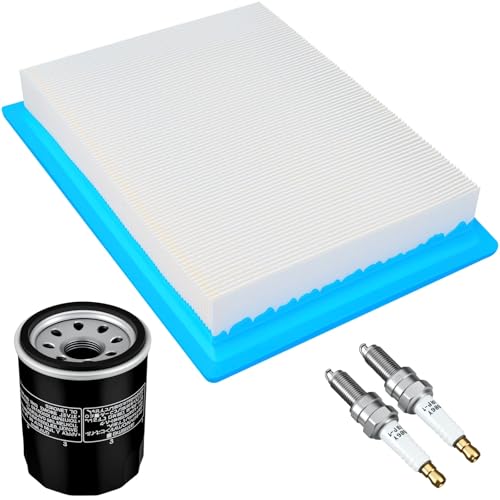
Maintenance Kit Fits for Polaris Rzr 570 Ranger XP 900,Includes 7081706 Air Filter,2540086 Oil Filter,3022639 Spark Plug
12 owner reviews
Maintenance Kit Fits for Polaris Rzr 570 Ranger XP 900,Includes 7081706 Air Filter,2540086 Oil Filter,3022639 Spark Plug. Keep your Polaris running ride after ride with this routine service part.
- Keeps your Polaris running
- OE-quality replacement
Tilt steering shock Compatible with Polaris Ranger RZR 500 570 700 800 900 and Ranger XP 500 800 2009-2022, Replaces 7043523, 7043439, 7043810, 7044095, 7044098 Not Fits 2008
23 owner reviews
Tilt steering shock Compatible with Polaris Ranger RZR 500 570 700 800 900 and Ranger XP 500 800 2009-2022, Replaces 7043523, 7043439, 7043810, 7044095, 7044098 Not Fits 2008. Suspension hardware to dial in your Polaris ride height, stance, and off-road capability.
- Dials in ride height & stance
- Improves off-road capability
Xislet Winch Rocker Switch Replacement for Polaris UTV ATV RZR 800 900 XP 1000 Turbo Ranger General 1000 Momentary Winch in/Out Can-Am with Jumper Wires and Instruction (7-Pin 12/24V DPDT)
510 owner reviews
Xislet Winch Rocker Switch Replacement for Polaris UTV ATV RZR 800 900 XP 1000 Turbo Ranger General 1000 Momentary Winch in/Out Can-Am with Jumper Wires and Instruction (7-Pin 12/24V DPDT). Winch and recovery gear to pull your Polaris out of the mud and off the rocks.
- Rugged pulling power
- Synthetic rope options
Polaris Full Synthetic Oil Change Kit for RANGER, GENERAL, RZR - 2879323
4,440 owner reviews
Polaris Full Synthetic Oil Change Kit for RANGER, GENERAL, RZR - 2879323. Keep your Polaris running ride after ride with this routine service part.
- Keeps your Polaris running
- OE-quality replacement

Ignition Key Switch 3 Position 6 Pins for 2001-2018 Polaris Ranger RZR 170 | for Sportsman 300 325 400 425 450 500 550 570 600 700 800 850 900 1000 4 XP X2 Crew EV HD S 4011002, 4012165, 4010390
784 owner reviews
Ignition Key Switch 3 Position 6 Pins for 2001-2018 Polaris Ranger, RZR, Sportsman,170 300 325 400 425 450 500 550 570 600 700 800 850 900 1000 4,XP,X2,Crew,EV,HD,S Replace 4011002 4012165 4010390. A quality upgrade or replacement part for your Polaris RZR, Ranger, or Sportsman.
- Fits Polaris RZR, Ranger & Sportsman
- Quality build
Frequently Asked Questions
How do I tell which RZR model I have?
What's the difference between a 50-inch, 60-inch, 64-inch, and 74-inch RZR?
Are RZR XP 1000 and RZR Turbo parts interchangeable?
Does a Pro XP or Pro R use the same wheels as an older XP?
Related Reading
Other pages in the Polaris reference library that cover the same parts as this guide.
Polaris Part Number Lookup: How to Find the Right OEM Number for Your RZR, Ranger or Sportsman
The part number — not the part name — is what actually gets you the right component. Here's how to identify your exact machine, read a Polaris exploded parts diagram, handle superseded numbers, and a reference table of the OEM numbers that come up most on RZR, Ranger, General and Sportsman machines.
Read itCommon Polaris RZR & Ranger Problems — and the Exact Parts That Fix Them
A symptom-by-symptom repair map for the Polaris RZR, Ranger, and Sportsman: front-end growl, no-start, a parking brake that won't hold, water in the clutch, a sloppy tilt column, a dead winch — what's actually failing and the specific part that puts you back on the trail.
Read itPolaris RZR & Ranger Overheating Guide: Runs Hot, Temp Light & the Parts That Fix It
A Polaris that runs hot, throws a temp light, boils over, or pushes coolant into the overflow bottle is almost always one part in a short cooling chain. Here's how the system works, a quick diagnostic, and the exact part behind each symptom — thermostat, radiator cap, fan and coolant.
Read itPolaris RZR & Ranger Maintenance Schedule: The Parts Checklist by Interval
What to service on your Polaris RZR, Ranger, or Sportsman and when — oil, filters, spark plugs, drive belt, and coolant — with the exact parts to keep on the shelf so a service day never turns into a downtime week.
Read it